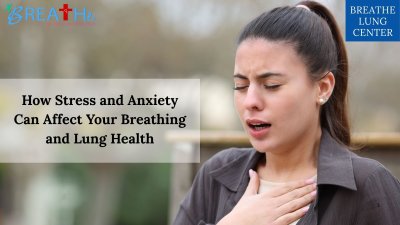
Breathing is something most of us do without thinking. It is natural, automatic, and continuous. However, many people notice changes in their breathing during times of emotional stress, anxiety, or mental pressure. Some may feel shortness of breath, rapid breathing, chest tightness, or a sensation of not getting enough air. These symptoms can be frightening, especially when they occur suddenly. In clinical practice, it is very common to see patients in Guwahati and across Assam who come with breathing discomfort that is partly or completely related to stress and anxiety. Understanding the connection between the mind and lungs is very important. When patients understand the cause, they feel reassured and can take the right steps to improve both their mental and respiratory health.
The Close Connection Between the Brain and Breathing
Breathing is controlled not only by the lungs but also by the brain. The brain constantly monitors the body's oxygen needs and adjusts the breathing rate automatically. At the same time, the brain also responds to emotions such as fear, stress, excitement, and anxiety. When a person feels calm and relaxed, breathing is slow, steady, and efficient. However, when a person feels anxious or stressed, the brain activates what is called the “stress response.” This is the body’s natural reaction to situations that are perceived as threatening or challenging. During this response, breathing becomes faster and more shallow. This prepares the body for action. While this response is useful in real danger, frequent stress and anxiety can disturb normal breathing patterns.
What Happens to Your Breathing During Stress and Anxiety
When a person is under stress or anxiety, several changes occur in the body. The breathing rate increases, and breaths become shorter and quicker. This is sometimes called rapid breathing.
Many patients describe this feeling as:
These symptoms can occur even when the lungs are physically normal. One important reason for this is that anxiety affects how the breathing muscles work. Instead of breathing deeply using the diaphragm, anxious individuals tend to breathe using the upper chest muscles. This type of breathing is less efficient and creates discomfort.
How Anxiety Can Cause Shortness of Breath
Shortness of breath is one of the most common symptoms associated with anxiety. This can be confusing because breathlessness is also a symptom of lung diseases such as asthma, bronchitis, or infections. In anxiety, the lungs may be healthy, but the breathing pattern becomes abnormal. When breathing becomes rapid and shallow, the balance of oxygen and carbon dioxide in the body changes. This can cause symptoms such as dizziness, chest discomfort, and the feeling of not getting enough air. This creates a cycle. The person becomes more anxious about breathing, which further worsens the breathing pattern. Understanding this cycle is important to break it.
Chest Tightness and Discomfort During Stress
Many patients experiencing stress and anxiety report chest tightness. This happens because stress causes muscle tension throughout the body, including the muscles of the chest wall. When chest muscles are tense, breathing feels more difficult and uncomfortable. This symptom can sometimes mimic serious conditions, which increases fear and anxiety further. However, once stress levels reduce, breathing usually returns to normal.
Hyperventilation and Panic Attacks
In some cases, anxiety can lead to hyperventilation. Hyperventilation means breathing faster than the body needs. This can cause symptoms such as:
Hyperventilation is commonly seen during panic attacks. Panic attacks can be very frightening, and many patients worry that they have a serious heart or lung problem. However, panic attacks are related to sudden intense anxiety. Proper evaluation helps confirm the cause and guide appropriate management.
Effect of Long-Term Stress on Lung Health
Occasional stress is part of normal life. However, long-term stress can affect overall health, including lung health. Chronic stress can worsen existing respiratory diseases such as asthma and chronic obstructive pulmonary disease. Stress can increase airway sensitivity and trigger asthma symptoms. Patients with asthma may notice more frequent symptoms during periods of emotional stress. Stress can also weaken the immune system, making individuals more vulnerable to respiratory infections. This is why managing stress is an important part of maintaining respiratory health.
Stress, Anxiety, and Breathing Problems in Daily Life
In modern life, stress has become very common. Work pressure, academic stress, financial concerns, health worries, and personal responsibilities can all contribute to anxiety. In cities like Guwahati, increasing urbanization, busy schedules, and environmental factors can further affect both mental and physical health. Many people may not realize that their breathing discomfort is related to stress. They may undergo multiple tests and still feel worried. Proper consultation and understanding help patients feel reassured.
How to Recognize Stress-Related Breathing Problems
Stress-related breathing problems often have certain characteristics. Symptoms may worsen during emotional situations and improve during relaxation or sleep. Patients may notice that medical tests such as chest X-ray or lung function tests are normal. Symptoms may also occur along with other signs of anxiety such as restlessness, excessive worry, or sleep disturbance. However, it is important not to assume that breathlessness is always due to stress. Proper medical evaluation is necessary to rule out lung and heart diseases.
Importance of Proper Medical Evaluation
Breathing difficulty should never be ignored. A pulmonologist can evaluate your symptoms and perform necessary tests such as lung function testing, oxygen level measurement, and clinical examination. These tests help determine whether the cause is related to lung disease, anxiety, or a combination of both. Accurate diagnosis is essential for proper treatment. Once serious conditions are ruled out, patients feel more confident and relaxed.
Managing Stress to Improve Breathing
Managing stress plays an important role in improving breathing comfort. Simple lifestyle measures can help regulate breathing and reduce anxiety. Slow and deep breathing exercises are particularly helpful. These exercises improve oxygen exchange and relax the nervous system. Regular physical activity also improves lung function and reduces stress levels. Maintaining proper sleep is equally important. Relaxation techniques such as meditation and mindfulness can help calm the mind and improve breathing patterns. Talking to a healthcare professional can also provide reassurance and guidance. In some cases, counseling or therapy may be beneficial.
When to Consult a Lung Specialist
You should consult a pulmonologist if you experience persistent breathlessness, chest tightness, or breathing discomfort. This is especially important if symptoms are new, severe, or worsening. Early evaluation helps identify the cause and ensures proper treatment. Many patients feel relieved after understanding that their lungs are healthy and that symptoms are manageable.
Expert Breathing Care in Guwahati
At Breathe Superspeciality Clinic & Diagnostics, we regularly evaluate patients with breathing discomfort related to asthma, lung diseases, and stress-related breathing problems. Our goal is to provide accurate diagnosis, patient education, and personalized care. We use advanced lung function testing and clinical evaluation to assess lung health. If you are experiencing breathing difficulty, anxiety-related breathlessness, or chest discomfort, timely consultation can help you understand the cause and improve your quality of life. You can contact us at 8822153356 or visit www.breatheclinicguwahati.com to schedule an appointment.
Frequently Asked Questions
Can stress really cause breathing problems?
Yes, stress and anxiety can change breathing patterns and cause symptoms such as shortness of breath and chest tightness.
Is anxiety-related breathlessness dangerous?
It is not usually dangerous, but proper medical evaluation is important to rule out lung or heart disease.
How do I know if my breathlessness is due to anxiety or lung disease?
A pulmonologist can perform clinical evaluation and lung function tests to identify the cause.
Can stress worsen asthma?
Yes, emotional stress can trigger asthma symptoms and worsen breathing.
Can breathing exercises help?
Yes, slow and controlled breathing exercises can improve breathing comfort and reduce anxiety.
Should I consult a doctor for anxiety-related breathing problems?
Yes, consultation helps confirm the diagnosis and provides reassurance and proper guidance.
Stress and anxiety can have a significant impact on breathing. The connection between the brain and lungs is strong, and emotional health plays an important role in respiratory comfort. Many patients experience breathing discomfort due to stress, but with proper understanding, evaluation, and care, these symptoms can be effectively managed. It is important not to ignore breathing problems and to seek medical advice when needed. With the right care, stress management, and medical guidance, you can maintain healthy breathing and improve your overall well-being. If you are experiencing breathing discomfort or unexplained breathlessness in Guwahati or Assam, timely evaluation by a qualified pulmonologist can help you breathe with confidence again.